Where Schools Are Travelling This Term

ALLES magazine feature article
“South Africa offers schools an enormous range of possibilities””
For learners, a school excursion can be the highlight of the term. For teachers, it is a much more complicated decision. A destination has to be interesting enough to hold the attention of a group of children, appropriate for their age, safe, accessible and—ideally—connected to something they are learning in class.
South Africa offers schools an enormous range of possibilities, from science and technology experiences to heritage sites, conservation centres and outdoor education.
Science Beyond the Classroom
Science centres remain an important part of school travel because they allow learners to interact with concepts rather than simply read about them.
Sci-Bono Discovery Centre, for example, combines science education with interactive experiences and programmes that extend into robotics and innovation. Its 2026 school programme includes autonomous robotics challenges and Young Technology Innovators projects where learners develop solutions to real-world problems. For a teacher, this kind of excursion can provide a direct connection between curriculum content and practical problem-solving.
History You Can Walk Through
South Africa’s history offers another enormous educational resource.
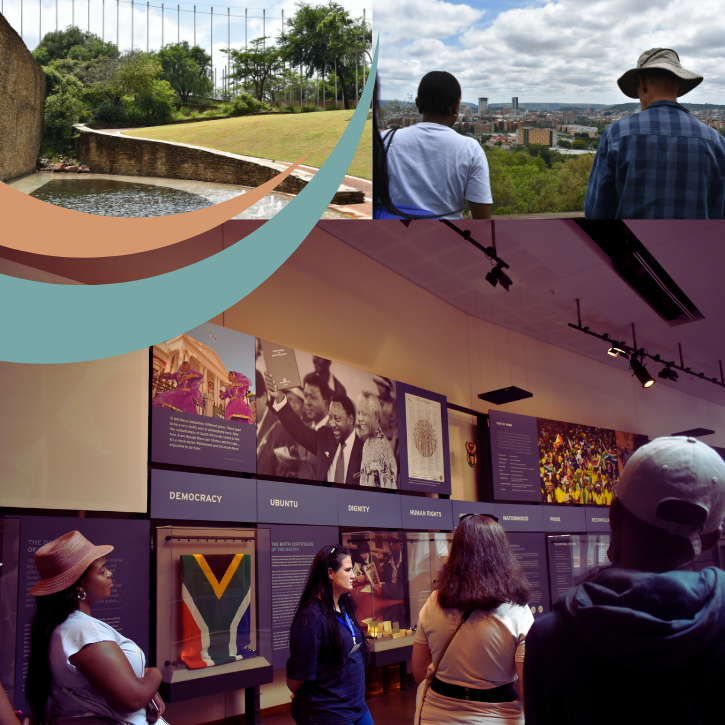
Museums, heritage sites and historical destinations allow learners to encounter the people, places and events they have been studying. The value of these excursions is not simply that learners remember more facts. They can begin to understand that history happened in real places, to real people, and that the consequences of those events continue to shape the country they live in.

Nature as a Classroom
A nature reserve, conservation centre, farm or botanical garden can provide a completely different learning environment.
Environmental science, biodiversity, agriculture and sustainability become much easier to understand when learners can actually observe the natural systems being discussed. For younger children especially, the simple experience of being outdoors and noticing what is around them can be educational.
Adventure Has Educational Value Too
There is sometimes a tendency to divide excursions into “educational” and “fun”, as though the two cannot overlap.
They can.
An outdoor camp can teach teamwork. A ropes course can require communication. A hiking activity can develop independence. A group challenge can reveal leadership skills that are not always visible in a classroom. Adventure can encourage students to challange themselves and develope their personalities far beyond comprehention.
The Case for Staying Closer to Home
There is also no rule that says an educational excursion needs to involve a long bus journey.
Schools can look at what exists within their own communities. A local business can demonstrate entrepreneurship. A workshop can introduce learners to manufacturing. A theatre can provide an introduction to performance. A farm can demonstrate food production. The best destination is not necessarily the furthest away.
It is the one that gives learners something worth remembering.