Where the Classroom Wears Flip-Flops
ALLES magazine feature article
Why an Outreach School Tour to St Lucia is a Lesson Learners Never Forget
Some classrooms have four walls.
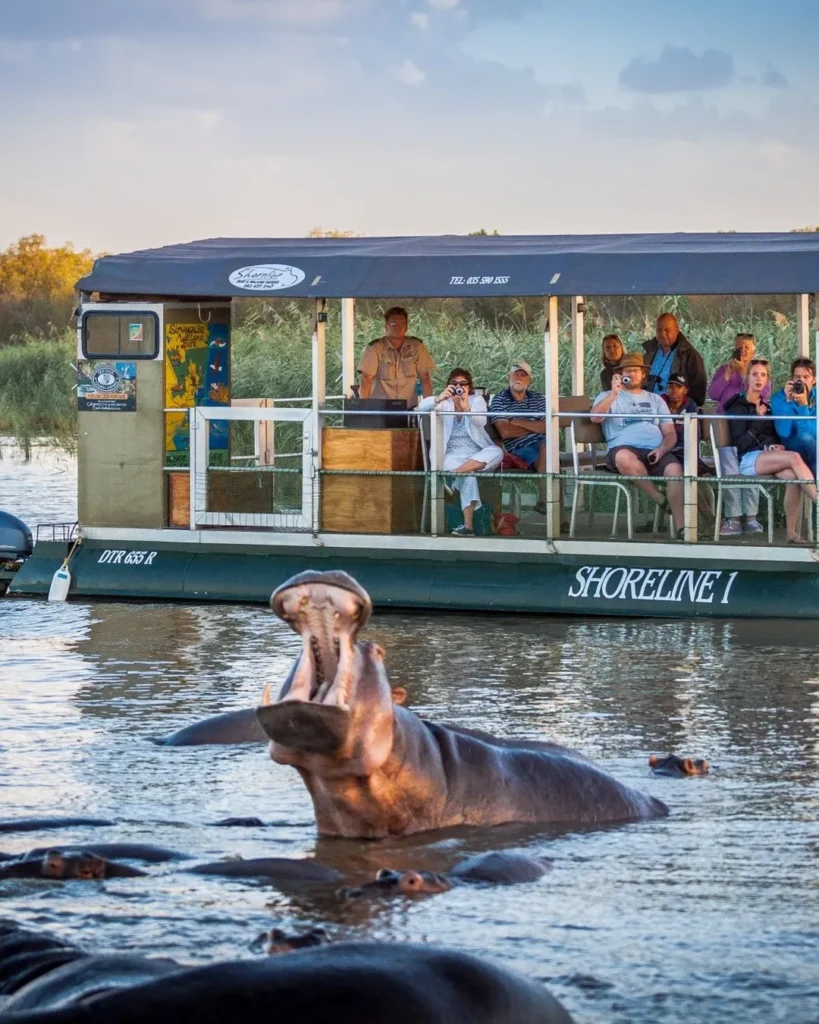
Others have a hippo wandering past the bus at sunset.
Welcome to St Lucia, the tiny coastal town with a gigantic personality, where every street, boardwalk, beach and estuary becomes a chapter in one of South Africa’s greatest educational adventures.
Nestled within the breathtaking iSimangaliso Wetland Park, South Africa’s first UNESCO World Heritage Site, St Lucia offers something increasingly difficult to find in today’s digital world: the opportunity for learners to experience nature rather than simply read about it.
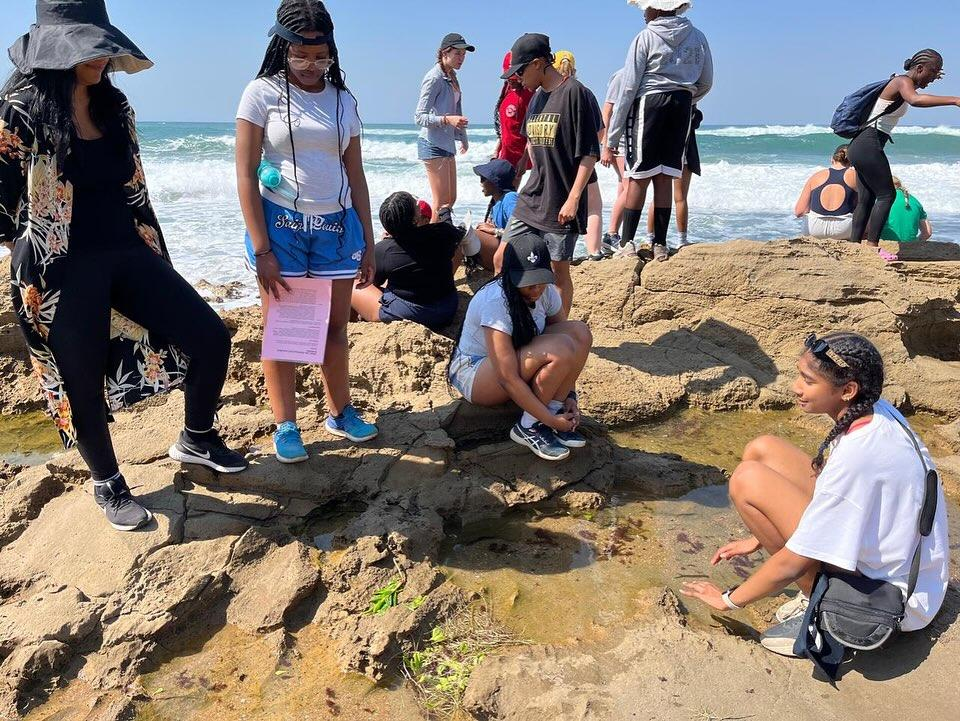
This is education with muddy shoes, salty hair and notebooks filled with discoveries.
Every Subject Comes Alive
The beauty of an outreach tour to St Lucia is that it refuses to fit inside a single curriculum box.
A Geography lesson suddenly stretches from ancient coastal dunes to one of Africa’s largest estuarine systems. Life Sciences transforms into an encounter with crocodiles, nesting turtles, whales, dolphins, antelope, over 500 bird species and the famous resident hippos that casually remind visitors who truly owns the streets after dark. History and Environmental Studies merge as learners discover how conservation has protected one of the world’s most remarkable ecosystems for generations to come. Even Mathematics appears unexpectedly through tidal movements, wildlife population studies, conservation statistics and navigation.
When learning becomes tangible, knowledge lingers far longer than examination season.
Nature's Greatest Classroom
Few destinations on Earth offer the ecological diversity packed into such a compact area.
Within a relatively short distance learners can experience:
- Coastal forests alive with birdlife.
- Expansive wetlands supporting countless aquatic species.
- The magnificent St Lucia Estuary.
- The warm Indian Ocean.
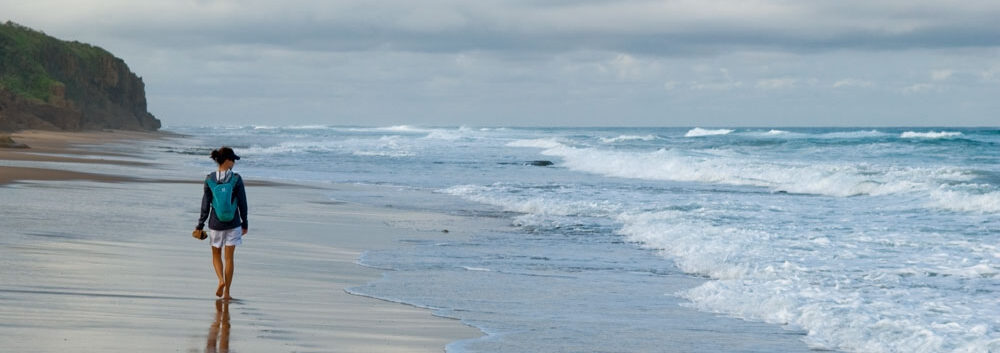
- Untouched beaches stretching for kilometres.
- Ancient vegetated dunes among the highest on the African continent.
- Savannah, bushveld and freshwater ecosystems existing side by side.
It is an extraordinary ecological puzzle where every habitat supports another, allowing learners to witness biodiversity functioning exactly as nature intended. No textbook illustration can compete with standing quietly while fish eagles call overhead or watching a pod of dolphins break the surface beyond the shoreline.
Learning Conservation by Living It
Conservation is no longer an abstract concept once learners understand that every animal, plant, insect and waterway forms part of an interconnected system.
In St Lucia they see firsthand why wetlands matter.
Why mangroves protect coastlines. Why estuaries serve as nurseries for marine life.
Why responsible tourism helps sustain both wildlife and local communities.
These are lessons that inspire future environmental scientists, marine biologists, conservationists, tourism professionals and community leaders.
Sometimes a single educational excursion plants the seed for an entire career.
Beyond the Wildlife
Although hippos and crocodiles may steal the headlines, the human stories are equally valuable.
Learners engage with local tourism, conservation initiatives and the rich cultural heritage of northern KwaZulu-Natal. They discover how sustainable tourism creates employment, supports small businesses and demonstrates that protecting natural heritage can also strengthen local economies. For many learners, these experiences broaden their understanding of South Africa’s incredible diversity while building appreciation for communities whose livelihoods are closely linked to conservation.
Memories that Refuse to Fade
Ask learners what they remember most from a school excursion years later and it is rarely the worksheet.
They remember spotting a whale offshore. Watching a fish eagle dive. The excitement of a night drive. The sound of frogs after summer rain. Seeing a hippo emerge from the estuary at dusk. Walking through forests where every bend reveals something unexpected.
These moments become lifelong reference points that continue shaping curiosity long after the school bus has returned home.
Learning Conservation by Living It
Conservation is no longer an abstract concept once learners understand that every animal, plant, insect and waterway forms part of an interconnected system.
In St Lucia they see firsthand why wetlands matter. Why mangroves protect coastlines. Why estuaries serve as nurseries for marine life. Why responsible tourism helps sustain both wildlife and local communities.
These are lessons that inspire future environmental scientists, marine biologists, conservationists, tourism professionals and community leaders. Sometimes a single educational excursion plants the seed for an entire career.