



Similar Posts
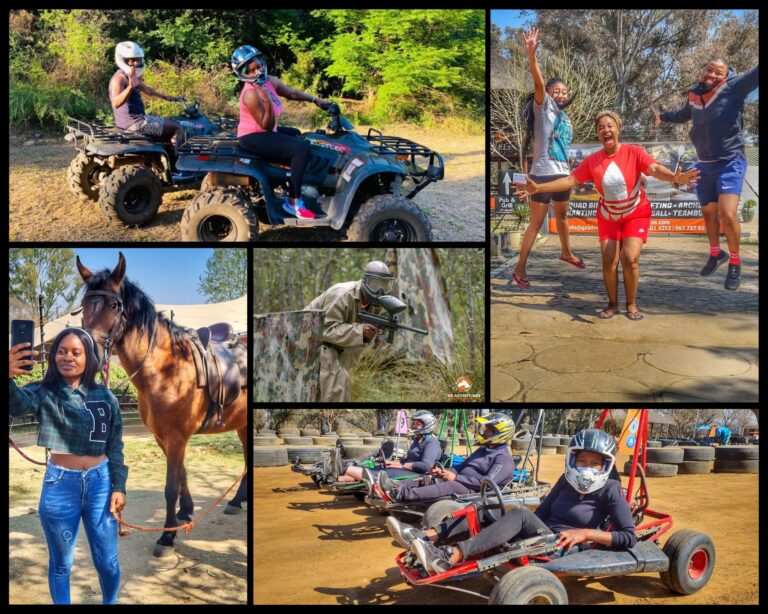
GZ Adventures Lanseria: Where Teams Grow, Bonds Strengthen, and Adventure Comes Alive
In a fast-paced world where teams are constantly challenged to adapt, connect, and perform, GZ Adventures Lanseria offers something refreshingly real: authentic adventure that brings people together. Located just outside Johannesburg, this dynamic outdoor venue has become one of South Africa’s favourite destinations for team building, school excursions, family outings, and adrenaline-packed experiences for all…
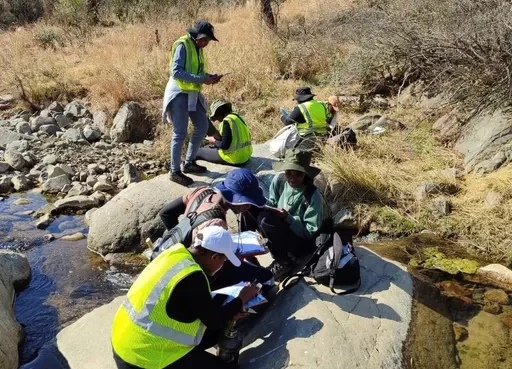
Rorke’s Drift: Where History Still Speaks
ALLES magazine feature article Discovering South Africa’s Living Classroom at Elandsheim Visiting the battlefields of KwaZulu-Natal is far more than a history lesson. It is an opportunity for learners to stand where history was written, to connect with courageous individuals from different cultures, and to discover how decisions made in a single day more than…
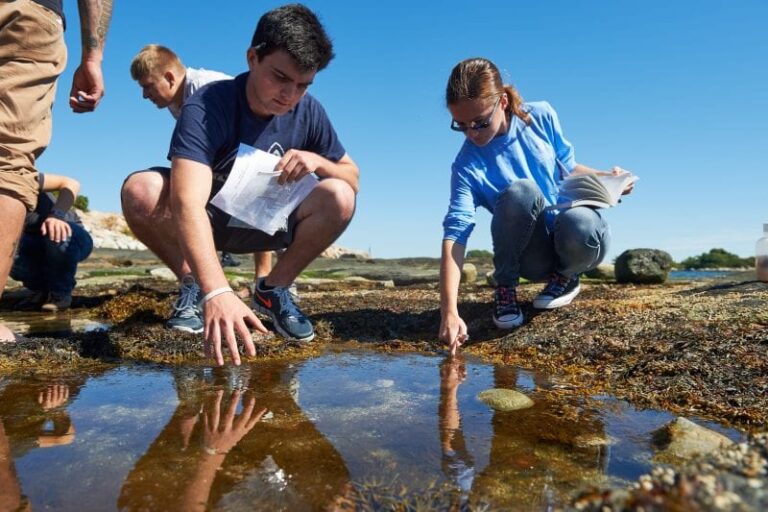
The Ocean as a Classroom
By Mona Preller Why Beach Excursions Are One of the Most Powerful Learning Tools for South African Schools South Africa is blessed with one of the most spectacular coastlines in the world. From the rugged cliffs of the Western Cape to the warm Indian Ocean shores of KwaZulu-Natal, our beaches are more than holiday destinations….
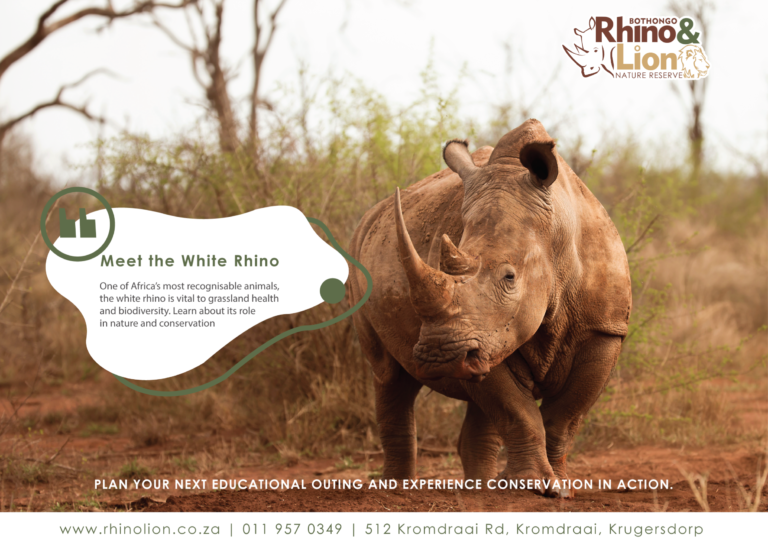
Discover Biodiversity at Rhino and Lion Nature Reserve
Some lessons are better experienced than explained. At Rhino and Lion Nature Reserve, biodiversity becomes something learners can explore, question and understand in a real worldsetting. Across the reserve, different species exist within carefully managed habitats that reflect natural ecosystems. On a guided game drive, learners begin to see how each animal plays a role…
SOUTH AFRICA: Where Learning Steps Beyond the Classroom
There is a moment on every truly great school tour… A quiet pause where a learner looks up, takes it all in, and something shifts. It might be the first time they hear a lion’s call echo across the bushveld. Or standing on a mountain, seeing a city stretch out like a living map. Or…