LIFE SAVING LESSONS FOR SOUTH AFRICA’S CHILDREN




ALLES magazine editorial perspective –
NSRI × AUSTRALIAN GOVERNMENT
An international partnership is bringing essential water safety education and survival swimming skills to learners across four inland provinces.
Through the Australian Government’s Direct Aid Program (DAP), the National Sea Rescue Institute (NSRI) aims to
equip approximately 30,000 children with water safety knowledge and 1,000 children with practical survival
swimming skills in Gauteng, the Free State, Mpumalanga and Limpopo.
“Prevention begins with knowledge”
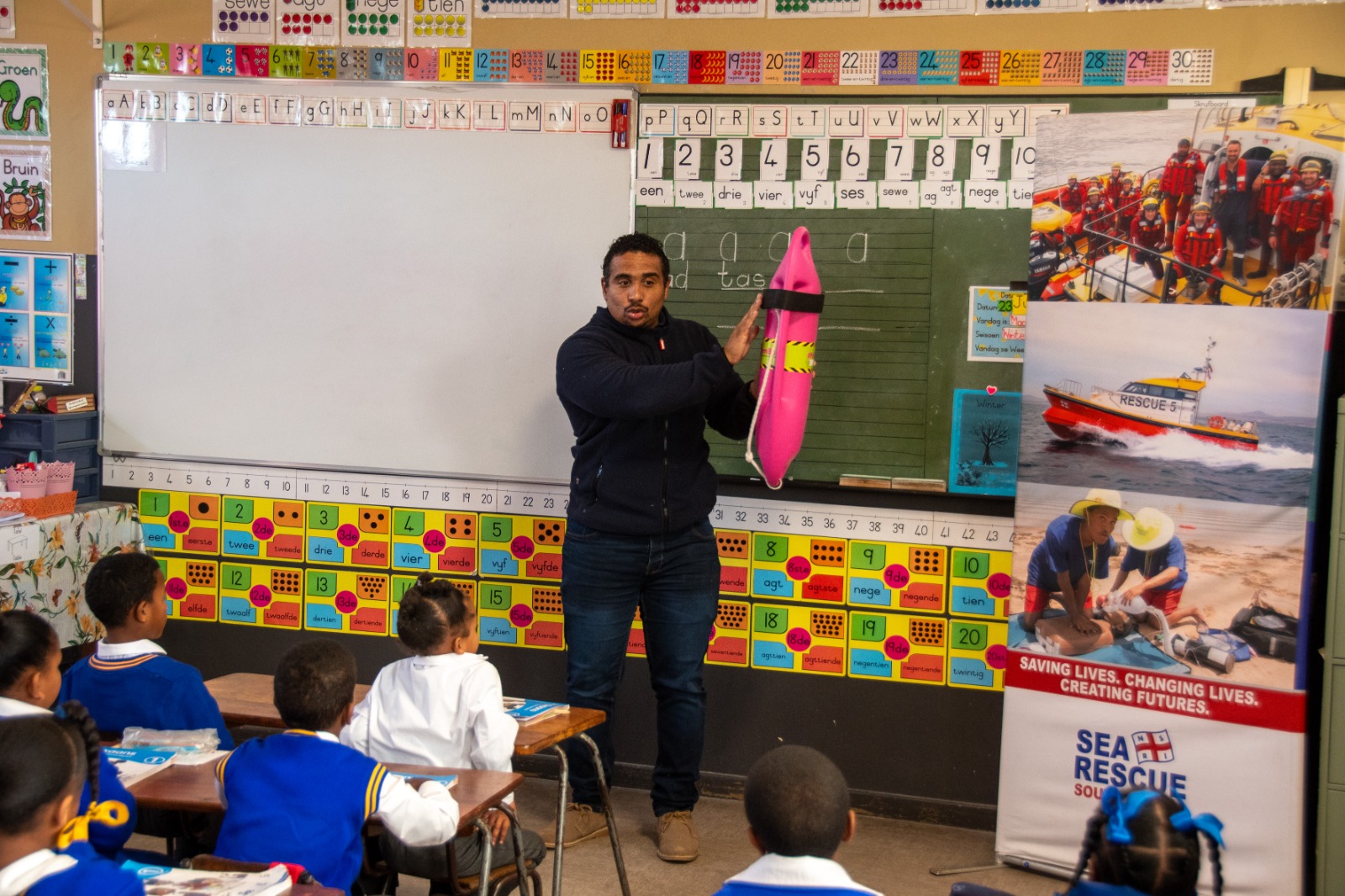
Photograph: NSRI classroom water safety presentation. Image supplied for publication.
For children living far from the coast, water hazards are still part of everyday life. Rivers, dams, swimming pools
and other inland environments can present serious risks, particularly where formal swimming instruction is
difficult to access.
NSRI Water Safety Education uses interactive sessions to teach learners to identify hazards, make safer decisions,
call for assistance and help someone in difficulty without entering the water or endangering themselves.
Australian-supported programme, April to August 2026
On 14 October 2026, representatives of the Australian High Commission joined the NSRI Community Programmes team
and learners to observe water safety education and practical survival swimming activities.
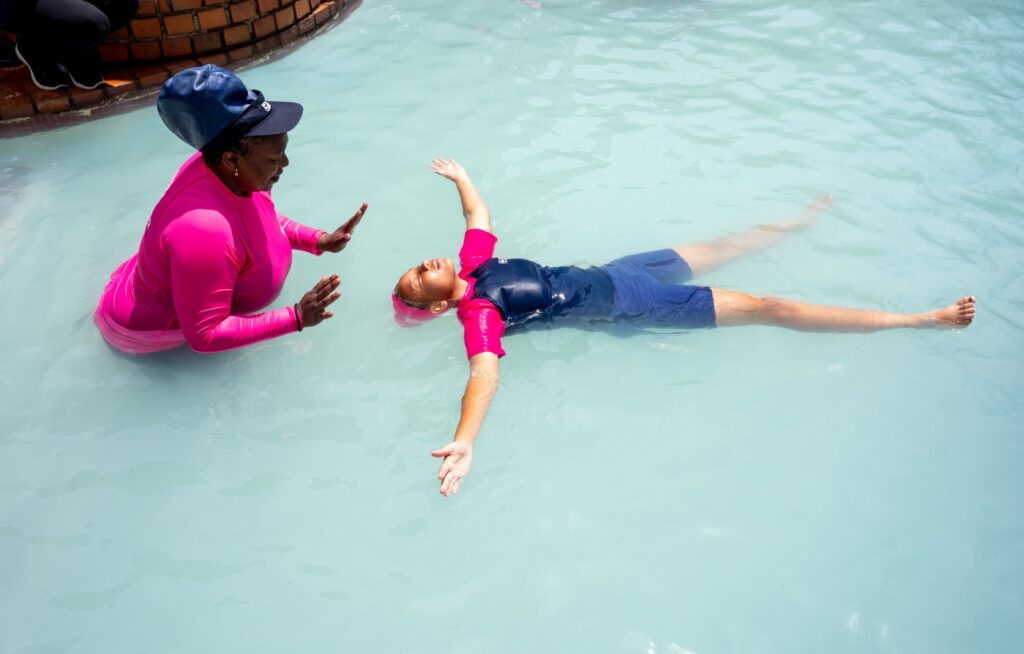
Photograph: NSRI survival swimming instruction. Training does not replace competent supervision or appropriate water safety controls.
“Practical skills, Lifelong value”
Survival Swimming complements prevention education. Under trained supervision, children practise four essential
skills designed to help them respond to an unexpected entry into water.
1.
Regain control after entering the water.
2.
Identify where they are and locate safety.
3.
Stay afloat while recovering and seeking help.
4.
Travel at least five metres through the water.
141 learners received practical survival swimming training in the Free State between April and August 2026 under
the Australian-supported partnership.
Photograph: NSRI survival swimming instruction. Training does not replace competent supervision or appropriate water safety controls.
“Schools • Camps • Outdoor Learning”
The Australian-supported initiative forms part of the NSRI’s broader national drowning-prevention efforts. According to
its media release, the NSRI reached 924,799 young South Africans in 2025 through Water Safety Education and
Survival Swimming programmes, with a further 635,179 reached by the end of September 2026.
“Every child should have the opportunity to learn how to stay safe around water,” said Mthetheleli Kweyama, NSRI
Head of Community Programmes. The NSRI also acknowledged the value of the Australian Government’s partnership in extending this work to inland communities.
THE ALLES MAGAZINE PERSPECTIVE
For schools and educational travel providers, water safety must be part of excursion planning: documented risk assessments, competent supervision, appropriate rescue arrangements, emergency procedures and an understanding of learners’ abilities. Survival swimming is an added layer of protection, never a substitute for these safeguards.
Source: NSRI media release, 21 October 2026. Editorial interpretation and school travel recommendations are those of ALLES Magazine.
Photography supplied by NSRI. Australian Government representatives and NSRI officials are referenced in the source statement; no individuals are identified in these photographs.

ALLES magazine feature article There are some lessons that are difficult to teach from a textbook A photograph of a fossil can explain what it looks like, but standing in a place where important discoveries were made is different. A diagram of a robot can explain how its components work, but watching a learner build…
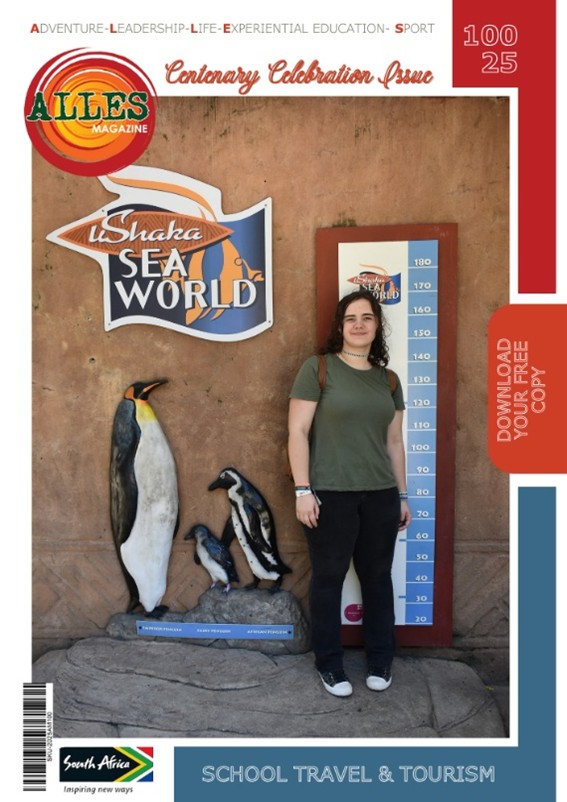
Reaching the 100th edition of Alles Magazine is not just a milestone— it’s a testament to the stories, voices, and ideas that have shaped our journey. For years, ALLES has been a beacon of thought, creativity, and insight. This edition is a celebration of the visionaries, writers, and loyal readers who have carried ALLES forward. Every…

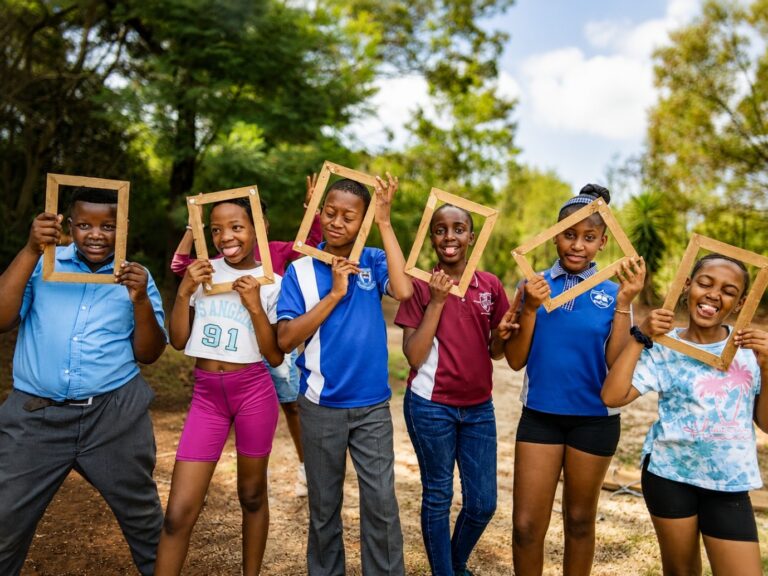
ALLES magazine feature article Shaping confident decisions. Building stronger futures. Choosing the right subjects and understanding future career paths can feel overwhelming for learners. At Leribisi Lodge and Conference Centre, we believe this journey should not be faced alone, but explored through guidance, experience, and collaboration. Our integrated Career Guidance, Subject Choice and Team Building…

There is something powerful about seeingscience unfold in real time. At Lion and Safari Park, biodiversity is not just a concept in a textbook. It is something learners can witness, question and understand through direct experience. A school visit to the park offers learners the opportunity to observe how different species exist within the same…
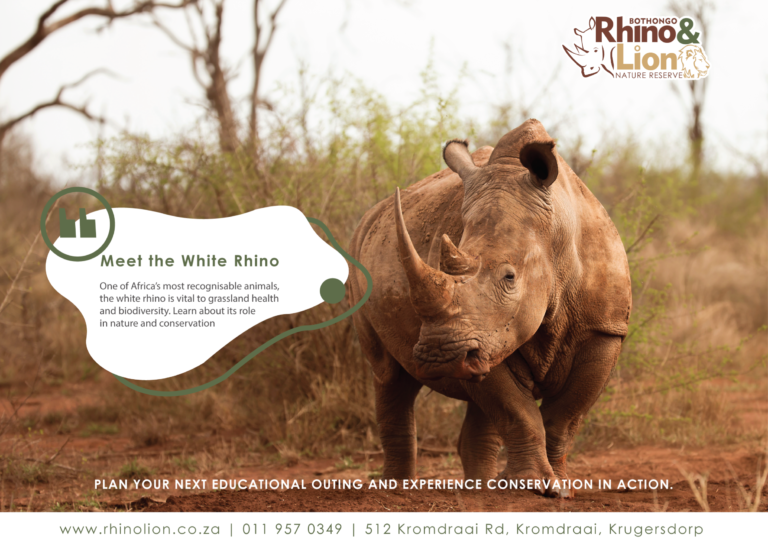
Some lessons are better experienced than explained. At Rhino and Lion Nature Reserve, biodiversity becomes something learners can explore, question and understand in a real worldsetting. Across the reserve, different species exist within carefully managed habitats that reflect natural ecosystems. On a guided game drive, learners begin to see how each animal plays a role…